
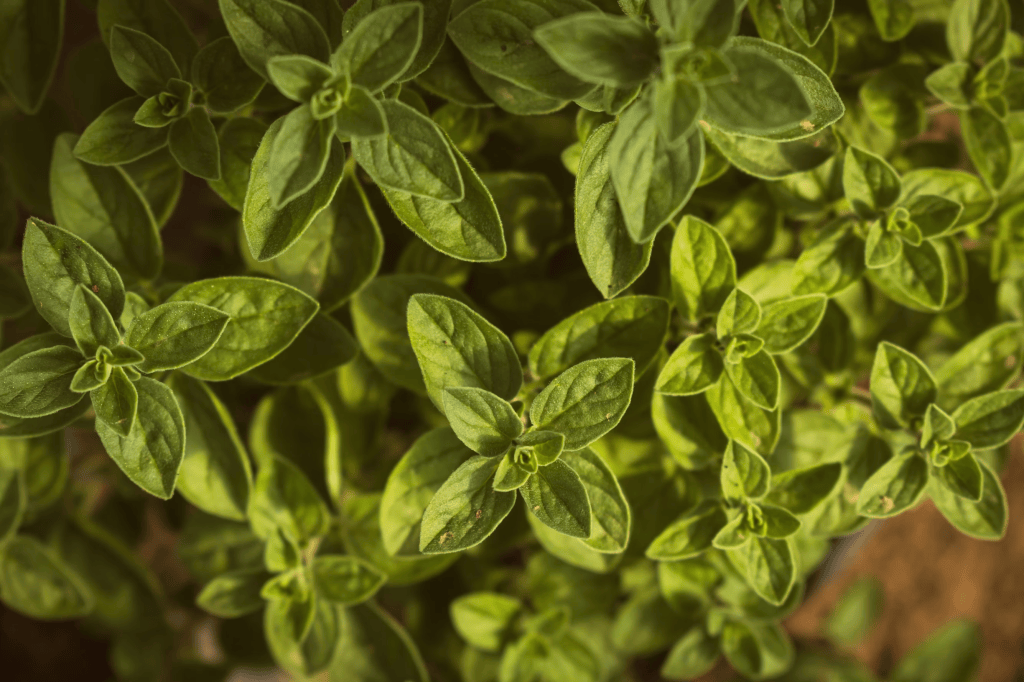
When most of us think of oregano, we probably think of pizza, pasta, or a Mediterranean-inspired meal. It is one of those herbs that has become so familiar in the kitchen that it is easy to forget that, for centuries, oregano was valued for much more than its flavor.
The name Origanum refers to a genus of aromatic plants in the mint family, Lamiaceae. While Origanum vulgare is what we commonly refer to as oregano, the genus includes several species with their own histories of traditional medicinal use, including Origanum majorana (sweet marjoram), Origanum onites, and Origanum compactum. Different species can also have very different chemical profiles depending on where and how they are grown.
Across Mediterranean, Middle Eastern, North African, and European traditions, preparations made from Origanum species have been used for respiratory complaints, digestive problems, pain, menstrual symptoms, urinary concerns, and even metabolic and cardiovascular conditions. Modern research is beginning to investigate some of these traditional uses, particularly the antimicrobial, anti-inflammatory, antioxidant, and metabolic effects of oregano’s phytochemicals.
So, what exactly has this familiar kitchen herb been used for?
Respiratory Health: From Coughs to Colds
One of the most longstanding medicinal uses of oregano is for the respiratory system. Traditional preparations of Origanum have been used for cough, sore throat, bronchitis, colds, influenza, catarrh, asthma, and even whooping or convulsive cough. In botanical medicine, oregano is also described as an expectorant, meaning it helps loosen and clear respiratory secretions and phlegm.
This traditional respiratory use makes sense when we look at some of oregano’s chemistry. Oregano essential oil is particularly rich in compounds such as carvacrol and thymol, which have demonstrated antimicrobial activity in laboratory studies. Research has shown activity against a variety of bacteria and fungi, including Escherichia coli, Staphylococcus aureus, Candida albicans, and Pseudomonas aeruginosa. It also contains anti-inflammatory properties which explains why traditional medicine has used it not only when infection is suspected, but also for inflammatory respiratory complaints.
The Digestive System
Across different Origanum species, traditional uses include indigestion, stomachache, colic, diarrhea, intestinal spasms, bloating, and low appetite. Oregano has also traditionally been used as a carminative, i.e an herb that helps relieve gas and digestive discomfort.
Origanum majorana, or sweet marjoram, has strong research for gastrointestinal complaints. Its traditional uses include stomach pain and intestinal spasms, and modern experimental research has found its antispasmodic, gastro-protective, and antioxidant.
Furthermore, oregano’s well documented benefit is its antimicrobial effect. As studies have shown that carvacrol and thymol work together to fight against bacteria, fungi, as well as parasites, which is why you will find oregano oil in many gut health protocols. A study found not only was it effective on Staphylococcus, Streptococcus, and E. coli infections, it did not have harsh side effects or disrupt the gut microbiome like pharmaceutical antibiotics do.
Due to its antimicrobial properties, oregano oil is often used after diet and probiotics have laid the groundwork, it is used as a tool to address bloating, occasional diarrhea and microbial imbalance. It’s generally used for a specific period of time rather than indefinitely.
Metabolic Health and Blood Sugar
Another traditional use that has caught the attention of researchers is diabetes and blood sugar regulation. Several Origanum species have been traditionally used for diabetes and metabolic disorders. For example, Origanum compactum, used traditionally in Morocco, has documented applications for diabetes and other metabolic conditions. O. majorana has similarly been used traditionally for blood sugar regulation.
Preclinical studies have reported antihyperglycemic effects from oregano extracts and essential oils, and reviews of the genus have identified potential antidiabetic and antihyperlipidemic activity. Proposed mechanisms include effects on oxidative stress, inflammation, and glucose metabolism. The research is promising, but the evidence in humans is not strong enough to use oregano as a stand alone treatment for diabetes.
Cardiovascular Health: Blood Pressure
Oregano’s medicinal history extends into the cardiovascular system as well. Different Origanum species have traditionally been used for hypertension and other cardiovascular complaints, with Origanum majorana (sweet marjoram) being particularly well documented for traditional use in hypertension. What makes this especially interesting is that researchers have begun to investigate how oregano might influence the cardiovascular system.
One of oregano’s most studied constituents is carvacrol, a phenolic monoterpene found in the essential oils of Origanum species. Research has shown that carvacrol can directly affect vascular tone. In an experimental study using intact arteries, carvacrol produced vasodilation, meaning it caused the blood vessels to relax and widen. Researchers found that this effect involved the vascular endothelium and potassium channels involved in regulating vascular smooth muscle tone.
This finding is particularly interesting in the context of hypertension. When blood vessels remain constricted, vascular resistance increases, making it more difficult for blood to move through the circulatory system and contributing to higher blood pressure. A compound that promotes vascular relaxation therefore provides a mechanistic explanation for Origanum’s in decreasing blood pressure.
The Nervous System: Headaches, Insomnia, and “Nervous Disorders”
Oregano and related Origanum species have also had a surprisingly broad history of use for neurological and nervous-system complaints. Traditionally people have used Origanum species for headache, migraine, insomnia, epilepsy, and general nervous disorders. Sweet marjoram in particular has traditionally been described as calming or sedative in some regions. Traditional use of O. majorana includes applications for insomnia, headache, migraine, and other neurological complaints, while modern experimental studies have investigated antioxidant, anti-inflammatory, analgesic, and neuroprotective properties. Some research has even explored potential effects related to Alzheimer’s disease, although this remains an early area of investigation rather than an established clinical use. [5,6] This is a good reminder that the historical use of an herb can be much broader than what we typically associate with it today.
Oregano for the Skin and Wound Healing
Perhaps one of the most interesting modern applications is topical oregano. Oregano has traditionally been used as an antiseptic and for wound healing, which again fits with its antimicrobial properties. In a randomized, double-blind, petrolatum-controlled study, researchers evaluated a 3% oregano extract ointment in people with surgical excision wounds. The oregano group had fewer positive bacterial cultures for Staphylococcus aureus and showed improvements in several scar characteristics, including pigmentation and pliability. Other research has also found that O. vulgare essential oil can influence inflammatory and wound-healing pathways in human keratinocyte cells and support cellular migration during a wound-healing model.
Beyond the Kitchen
What I love about oregano is that its story reminds us that many of the plants we think of simply as “food” have much deeper relationships with traditional medicine.
Oregano wasn’t historically separated into a culinary category and a medicinal category the way we often think about herbs today. The same plant could be added to food for flavor while also being prepared as a tea, infusion, tincture, poultice, or other medicinal preparation. Modern science is now beginning to investigate some of the reasons these traditions have persisted.
So the next time you sprinkle oregano onto your dinner, it might be worth remembering: you’re not just adding flavor. You’re adding a plant with a long medicinal history and a growing body of research that is helping us understand why our ancestors may have valued it in the first place.
Resources:
- Bouyahya A, Chamkhi I, Benali T, et al. (2021). Traditional use, phytochemistry, toxicology, and pharmacology of Origanum majorana L. Journal of Ethnopharmacology, 265, 113318.
— Traditional uses for hypertension, respiratory infections, diabetes, stomach pain, intestinal spasms, plus anti-inflammatory, analgesic, antioxidant, antimicrobial, and other pharmacological effects. PubMed - Soltani S, Shakeri A, Iranshahi M, Boozari M. (2021). A review of the phytochemistry and antimicrobial properties of Origanum vulgare L. and subspecies. Iranian Journal of Pharmaceutical Research, 20(2), 268–285.
— Respiratory/traditional uses, antimicrobial activity, carvacrol, thymol, and activity against organisms including E. coli, S. aureus, Candida, and Pseudomonas. Full text (PMC) - Sharifi-Rad M, et al. (2021). Phytochemical constituents, biological activities, and health-promoting effects of the genus Origanum. Phytotherapy Research, 35(1), 95–121.
— Broad review of the genus covering antimicrobial, antioxidant, anti-inflammatory, antidiabetic, analgesic, cardiovascular, respiratory, digestive, and neurological applications. Wiley / Phytotherapy Research - Hossain MB, et al. (2018). Sweet marjoram: A review of ethnopharmacology, phytochemistry, and biological activities.
— Useful for the traditional medicine history of O. majorana and its digestive, nervous-system, cardiovascular, analgesic, and other applications. Full text (PMC) - Ragi J, Pappert A, Rao B, Havkin-Frenkel D, Milgraum S. (2011). Oregano extract ointment for wound healing: A randomized, double-blind, petrolatum-controlled study evaluating efficacy. Journal of Drugs in Dermatology, 10(10), 1168–1172.
— Human clinical study of 3% oregano extract ointment for postsurgical wounds, including bacterial contamination and scar outcomes. PubMed - Avola R, Granata G, Geraci C, et al. (2020). Oregano (Origanum vulgare L.) essential oil provides anti-inflammatory activity and facilitates wound healing in a human keratinocytes cell model. Food and Chemical Toxicology, 144, 111586.
— Supports the anti-inflammatory and wound-healing mechanisms of oregano essential oil in human keratinocyte cells. PubMed - Earley S, Gonzales AL, Crnich R. (2010). A dietary agonist of transient receptor potential cation channel V3 elicits endothelium-dependent vasodilation. Journal of Cardiovascular Pharmacology, 55(3), 217–222.
— This is the carvacrol/vascular research I used for the cardiovascular section. Carvacrol, a major oregano constituent, produced vasodilation in experimental cerebral arteries. PubMed - Leyva-López et al. (2017), “Essential Oils of Oregano: Biological Activity beyond Their Antimicrobial Properties.”It specifically cites research on Mexican oregano essential oil against parasite, fungal, and bacterial pathogens.
 Afia Naturopathics
Leave a comment