
An Ancient Practice
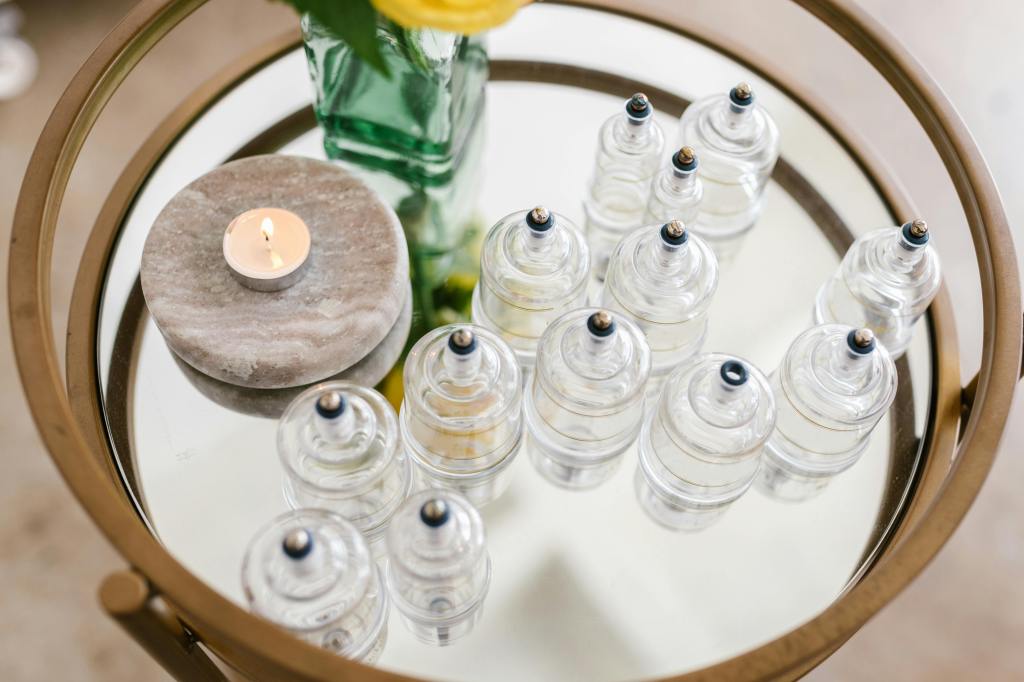
It is unclear where cupping therapy originated given that it’s thousands of years old but it is thought to originate in China. It has been used in different parts of the world including North Africa and the Middle East. In fact, centuries ago the Muslim Prophet Muhammad (PBUH) utilized cupping therapy, and Muslims all around the world have adopted the practice as preventative healthcare. Although cupping is an ancient technique that was rarely practiced in the modern world, it has slowly made a comeback in mainstream medicine in the past couple of years and has become an official treatment method in many hospitals in China as well as some hospitals in the US.
What is Cupping?
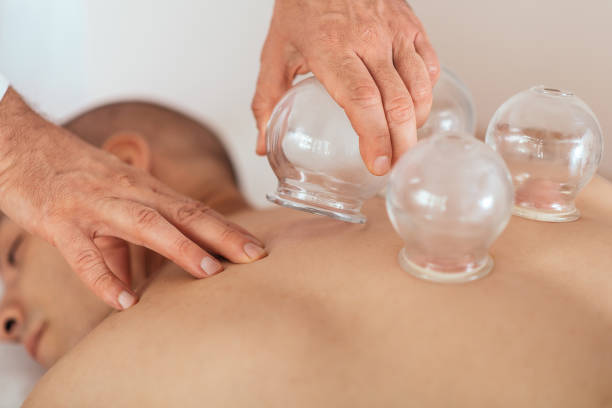
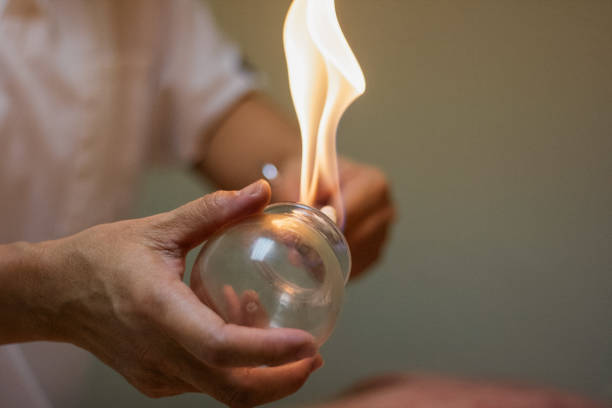
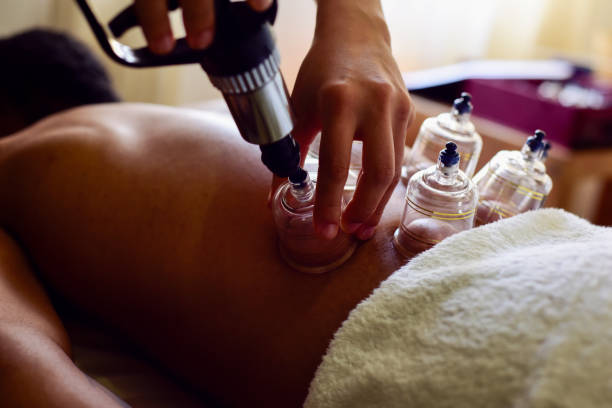
Cupping is an ancient practice used to draw out toxins from the body, relieve tension, and treat migraines as well as other health conditions. There are different types of cupping: wet and dry. During a wet cupping therapy session, the practitioner would place the cup on the intended area, usually on the back, for a few minutes, and a vacuum is created by either heating the cup and allowing it to cool on the skin or by sucking the air out of the cup whilst on the skin. The cup is then removed and the practitioner pokes tiny holes in the skin and places the cups over it once more. The suction draws out the toxic blood in the body. It is said that the more toxins there are the darker the blood will be, and if there is inflammation the blood will come out thicker. On the other hand, dry cupping is essentially the same thing but it doesn’t involve blood being drawn out. The cups would be placed on the body for several minutes to allow blood to rush to the area to help bring oxygen and release tension.
Benefits of Cupping
Research conducted by Sutriyono and his colleagues studied cupping therapy on 21 participants to determine the effects of wet cupping therapy on blood pressure, blood glucose, uric acid, and cholesterol levels. What they found was that although the therapy had no significant effect on glucose levels, there was a decrease in blood pressure, uric acid, and cholesterol levels after the cupping therapy.
Furthermore, another study conducted in 2014 found that cupping therapy decreases low-density lipoprotein (LDL) levels which is thought to lower the risk of having a stroke and heart disease.
Cupping was also shown to be effective in helping treat patients with chronic urticaria (hives on the skin). A study conducted by Yuan and others found that cupping therapy combined with antihistamine or acupuncture was a more effective treatment than antihistamine or acupuncture alone.
In addition, cupping is believed to:
- help with inflammation
- improve blood circulation
- alleviate back, neck, and shoulder pain and tension
- ease musculoskeletal pain
- decrease swelling
- relieve migraines
These are only some of the noted benefits of cupping therapy and there are still studies yet to be conducted to prove cupping’s effectiveness as a treatment method for health conditions. It is a simple, non-invasive technique used for centuries that is excellent as an adjunctive therapy for a variety of health issues. Comment below, have you ever tried cupping therapy?
 Afia Naturopathics
Leave a comment