
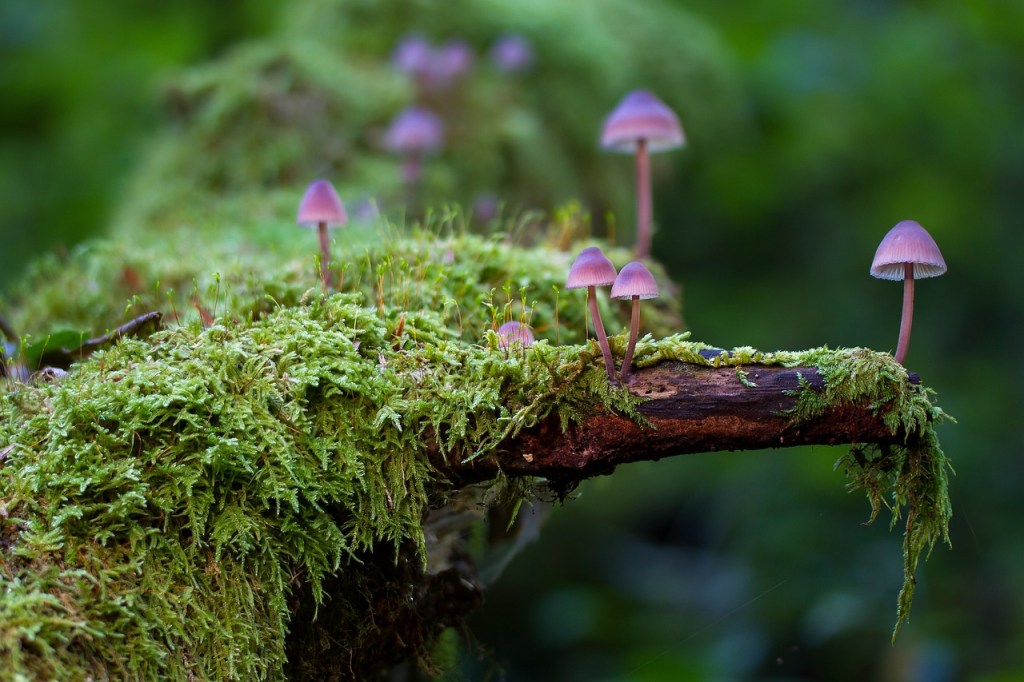
How many of us consider ourselves as part of nature? With industrialization, technological advancements, urbanization, etc, we have grown farther and farther apart from the natural world. Some may even think we are superior to nature and adopt an anthropocentric view in which humans are regarded as the central and superior species that is above nature. The further we advance in science, however, the clearer it becomes that there really isn’t a barrier between us and the natural world. In fact, our very digestive tract is considered the ‘external world’ making the notion of being ‘one with nature’ not some hippie philosophical viewpoint, but a scientific fact.
The alimentary canal (the digestive tract) begins at the opening of our mouth and ends with the opening of our anus. The food we eat, the drinks we consume,and the air we breathe are all elements of the outside world that enter our bodies without passing an actual barrier. For this reason, the digestive tract is technically considered part of the outside world that we house in our bodies. So why do we care? What does this mean for us?

In recent years, medical research has taken a deep interest in the field of gut health – and for good reason. These discoveries revealed the fact that the gut is the pivotal organ system that controls the quality of the rest of the body’s functions and health. It is where all disease begins and ends. Things like the immune system, metabolism, cardiovascular health, etc. are affected by the gut, but what affects the gut? Many would correctly answer diet, which is inarguably one of the main factors influencing gut health, but it doesn’t end there. The natural environment around us, or lack thereof, impacts our microbiome more than we think.
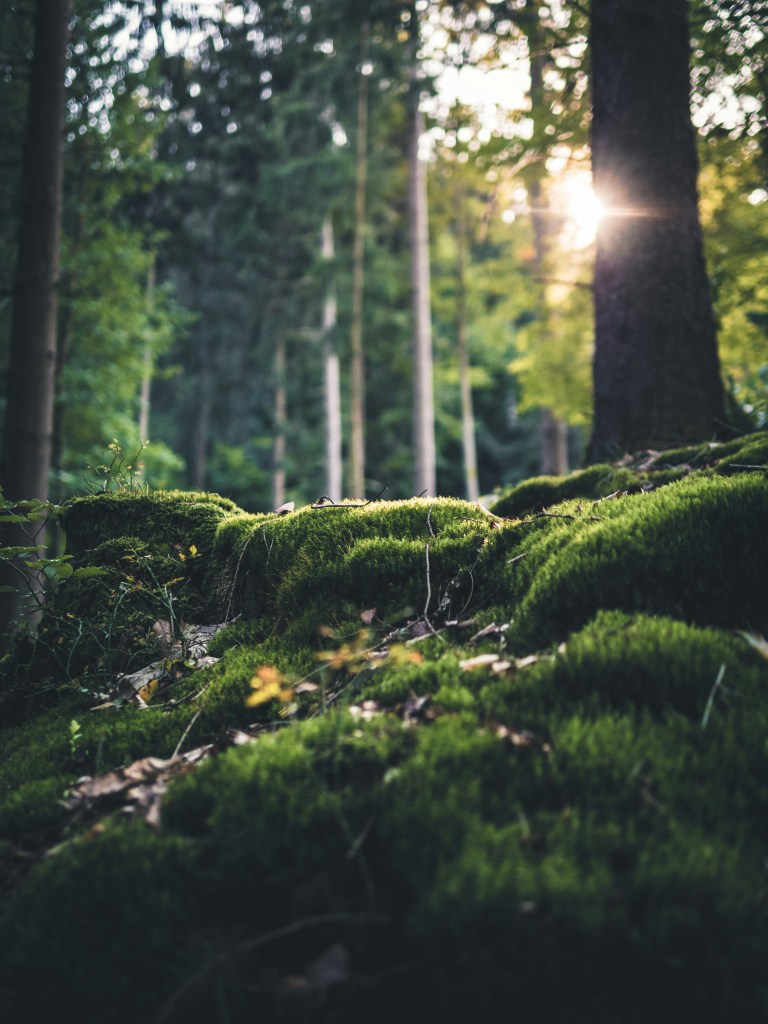
Just as plants and animals respond to the seasons around them so do we! Current studies taking place by Dr. Machado at the University of California San Diego suggest that the gut microbiome fluctuates throughout the day as well as throughout the seasons. She stated that “changes in light, pollen exposure, humidity and temperature could be potential contributors” to these seasonal fluctuations.
Another study looked at the gut microbiome, serotonin levels, and perceived stress of pre-school children. It compared children who spent time playing outdoors to those that spent their playtime indoors. They discovered that those who interacted with nature had improved mood, increased serotonin levels (which is mostly made in the gut), in addition to having a richer, more diverse gut microbiome.

Reconnecting with nature isn’t just about escaping the hustle of modern life—it’s about fostering a deep relationship with the world that sustains us. Science confirms what intuition and tradition have long suggested: we are not separate from nature but intrinsically woven into its fabric. The health of our gut, the rhythms of our body, and even our emotional well-being are deeply connected to the natural environment around us. So, let’s step outside. Let’s feel the sunlight, breathe in the fresh air, and let the natural world do what it does best: nurture and heal us.
 Afia Naturopathics
Leave a comment